

En pleine lutte contre la COVID-19, les journalistes agricoles du Congo poursuivent la couverture médiatique dans les coins et recoins du territoire national. De l’Equateur en passant par le Nord-Kivu, ils sont derrière les paysans qui ne sont pas en confinement jusqu’à présent. Car , ils doivent nourrir les villes.
In the Field
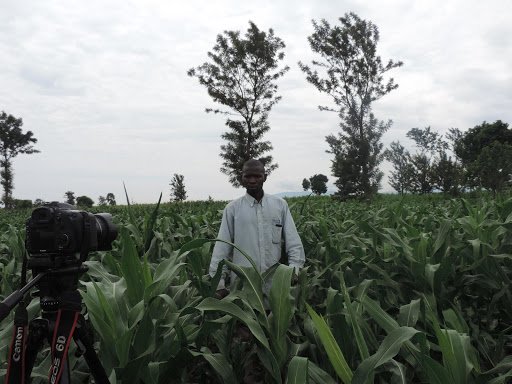
In the midst of the fight against COVID-19, agricultural journalists in Congo are continuing media coverage in all corners of their national territory. From the Equator through to North Kivu, they are working amongst the small landholders who have not been in confinement so far because the cities must be fed.


This Friday from 1-3pm GMT, a young farmers’ panel debate on what next for food and farming will be debated from the perspectives of seven young farmers from Argentina, Australia, Canada, The Netherlands, South Africa, Sweden and the UK.

It is well known around the world that state control of news and information in Iran is severe, which makes the possibility for journalists to do their job independently quite difficult, and it takes a lot of their resources at the same time. Many media increasingly lack the resources to report freely and independently.
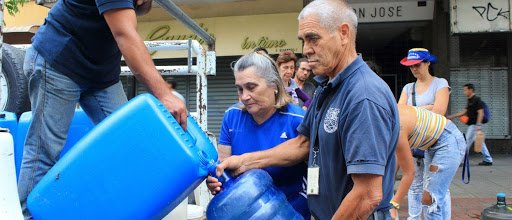
Arie Regev of the Israel Association of Agricultural Journalists shared this article on water footprint—a topic of great interest to Israeli journalists and their colleagues who visit the arid nation. The article also contains a link to an informative infographic. Arie’s contact at Netafim—whose CEO wrote the article—says these messages have been presented to hundreds of journalists over the years.


A message from Micke Godtfredsen
Chair, IFAJ Freedom of the Press Committee

Somali guild opens up new website
SOMESHA is an association of journalists and media practitioners that is accelerating its green news coverage across Somalia